Yellow field peas have been gaining attention across the Northern Plains as more growers look for ways to diversify rotations, spread out spring workload, and improve long‑term soil function. For farmers in the Midwest and Minnesota Red River Valley—especially those who haven't grown peas before—this article offers a practical, no‑nonsense look at what peas can realistically offer as a cash crop, not a cover crop, in this region.
Why Peas Are Being Considered in the Upper Midwest
%20PURIS%20Pea%20Pod%20-%20Copy.jpg?width=4422&height=2724&name=(2)%20PURIS%20Pea%20Pod%20-%20Copy.jpg)
Across states like North Dakota and Nebraska, long‑term research has shown meaningful yield benefits when wheat follows peas, including increases of over 15% compared to continuous wheat. This benefit has encouraged more growers to consider peas as part of a diversified rotation1.
Peas also bring an early planting window—long before soybeans or corn—which helps spread spring fieldwork and avoids heat stress during reproductive stages. Their shorter season frees up time for fall operations and allows flexibility for grazing or cover cropping.
How Peas Fit Into Red River Valley Rotations
In the Midwest climate, peas should be viewed strictly as a stand‑alone cash crop. Unlike some western regions, the growing season here doesn’t leave enough time to follow peas with another major cash crop in the same year.
After pea harvest (typically July–August), growers can follow with:
- Fall grazing,
- A fall cover crop, or
- Winter wheat or the next spring wheat crop.
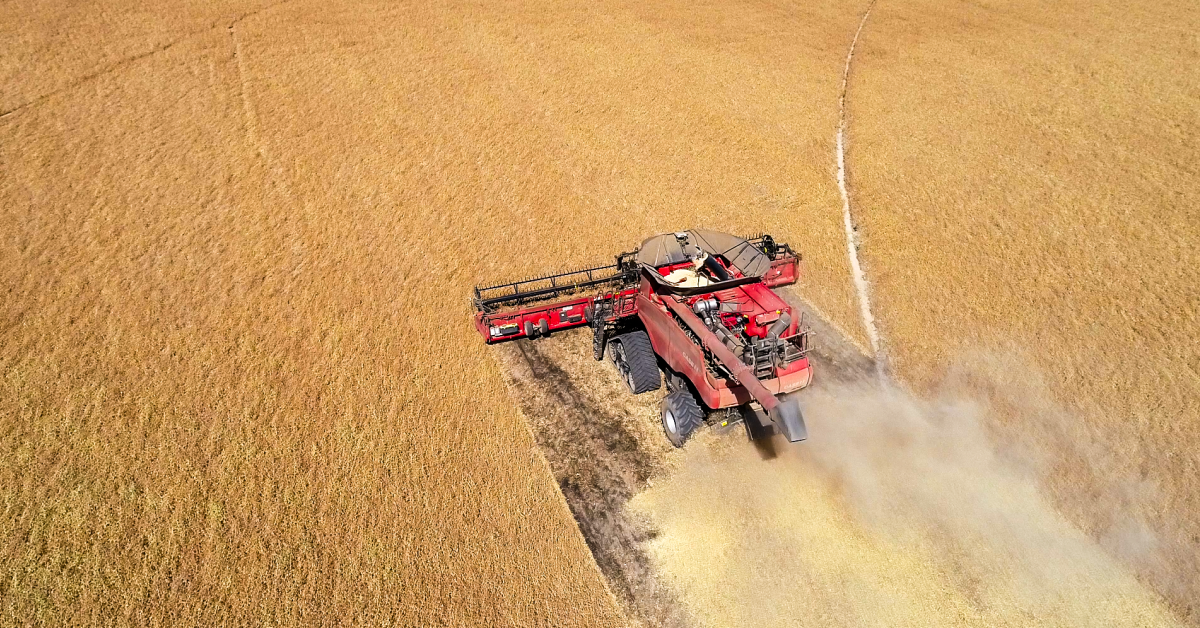
Peas' short season allows plenty of time for fall activity. Their residue also breaks down quickly, leaving a clean, mellow seedbed2.
Soil & Agronomic Benefits You Can Expect
Peas offer a set of agronomic benefits well documented across similar climates—not “miracle” outcomes, but very real improvements over the long term.
Improved soil structure and infiltration
Peas develop a dense, fibrous root system. Nebraska research comparing pea rotations to wheat‑fallow found infiltration improved by 50%, meaning more water entered the soil, and less sat on the surface3.
Greater microbial activity
Soils following peas showed higher microbial respiration—an indicator of active soil biology—than soils following fallow. These microbes help break down residue and support nutrient cycling for the following crop3.
Rotation benefits to wheat
Multiple studies show consistent wheat yield boosts of 15–34% when wheat follows peas. These improvements come from better soil structure, nutrient cycling, and the break in disease and pest cycles3.
Low-residue advantages
Peas leave behind light residue, making them well‑suited for no‑till systems and improving planting conditions for the next cereal crop2.
Realistic Limitations (The “No‑Surprises” Section)
Soil water considerations
While peas use less water than many crops and use it earlier in the season, they still consume more moisture than summer fallow. One study found fallow had 47% more soil water than pea‑grown plots—important to know if moisture is tight2.
Drainage matters
Peas do poorly in heavy, wet, or compacted soils. Many Red River Valley clays can stay wet longer than peas tolerate, so choose your fields wisely—tiled or naturally well‑drained fields perform best.
Residue may be too light in erosion-prone areas
If your fields rely on heavy residue cover to protect soil, plan to follow peas with a cover crop to build biomass.
Root Rot & Disease Management
Root rots caused by Fusarium spp. and Aphanomyces euteiches are major limiting factors in pea production. Long‑term research from NDSU offers clear guidance:
Rotation interval drastically affects yield
In years with root‑rot pressure, peas yielded 48–49 bu/ac when grown once every six years versus 28–39 bu/ac when grown every two years. Longer intervals reduce pathogen pressure and support better plant health3.
Seed treatments help but are not a cure
Fungicide seed treatments can improve establishment and add several bushels, but they cannot overcome tight rotations or heavily infested soils3.
Practical guidance: For fields with high root rot history, stretch out pea rotations to every 4-6 years
Weed Management in Peas
Peas canopy early in the season, herbicide options decrease post-emergence, so effective pre‑plant or pre‑emergence herbicide programs are important.
Key considerations:
- Use residual herbicides where labeled—peas need a clean start.
- Peas allow use of herbicide groups that differ from corn/soybeans, helping fight resistant weeds like kochia and waterhemp.
- Be mindful of carryover from Group 2, 14, or other chemistries used in the previous crop—peas are sensitive.
Long term, peas help diversify the herbicide toolbox across your whole rotation.
What Crop Should Follow Peas?
Here are the most realistic post‑pea options for this region:
Winter Wheat
A well‑proven fit. Wheat often gains yield following peas, partly due to improved structure and nutrient cycling. [NDSU]
Spring Wheat
Also a strong rotational partner, though soil moisture varies by year.
Traditional Fall Cover Crops
Mixtures of cereals, legumes, or brassicas build residue and prepare fields for next year’s cereals or soybeans.
Cover Crops for Grazing (Sorghum‑Sudan, Millet, etc.)
After a July or early‑August pea harvest, many growers seed a warm‑season forage crop for fall grazing. Sorghum‑sudangrass, hay millet, or similar species grow rapidly in late summer and create substantial biomass. This is a common practice in cattle‑integrated systems.
Grazing Pea Stubble Alone
The forage value is moderate, but stubble grazing can still help cycle nutrients and provide a late‑season feed source.
Management Basics for First‑Time Pea Growers

Based on research across the Northern Plains:
- Plant early—as soon as soil temps hit 40–45°F. Mid‑March to early April is typical.
- Target ~300,000–350,000 live seeds/ac, depending on the variety and seed size.
- Ensure good drainage—avoid tight, wet soils prone to early‑season saturation.
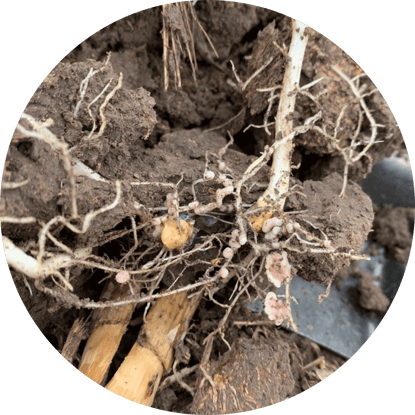
- Inoculate, ensure bigger yields and increased N nodules
- Harvest at 13–16% moisture to minimize seed splitting.
- Review herbicide carryover restrictions from your prior crops.
Is the Market Worth It?
Peas have growing demand in:
- Plant‑based protein markets,
- Animal feed, and
- International export markets.
While peas won’t typically out‑gross corn or soybeans in a given year, they can improve whole‑farm economics by reducing nitrogen needs for the following crop, lowering input costs, and spreading planting and harvest workloads.
Final Thoughts: Are Peas a Fit for Your Farm?
If your farm already includes wheat or other small grains—and you have fields with good drainage—peas are worth a trial. The benefits are real, but they build over time. Peas aren’t a silver bullet, and they won’t fit every acre, but for the right fields, they can improve soil function, diversify weed control options, and support healthier cereal rotations.
Starting small is often the best approach. Try peas on a field that fits the agronomics and see how they play into your operation over a multi‑year rotation.
Sources
- NDSU Rotation Journal (Carr et al.) — Wheat yield increases following pea rotations. [NDSU]
- FBN Yellow Pea Agronomy & Market Overview — Market demand and basic agronomics. [FBN]
- NDSU Root Rot Research — Rotation intervals, planting date impacts, and seed‑treatment responses. [NDSU]
- UNL Rotation Study — Soil water differences, seeding rates, and planting‑timing impacts. [UNL]
- Farm Progress Rotation Article — Soil infiltration and microbial activity improvements after pea rotations. [Farm Progress]