“Sustainable.”
“Regenerative.”
“Scope 1, 2, and 3 emissions.”
If you’ve spent any time tuning into food or climate conversations lately, you’ve probably heard all of them. A lot.
But here’s the problem:
These terms are often used as labels when they’re part of a system that determines how food is grown, produced, and scaled.
At PURIS, sustainability isn’t a marketing claim. It shows up across that entire system, from how crops are grown to how ingredients are produced.
So, let’s break it down. No fluff. No jargon. Just what these terms mean and how they connect to the future of food.
What does “sustainable” actually mean?
At its core, sustainability is about balance over time.
The United Nations defines sustainability as meeting today’s needs without limiting future generations’ ability to meet theirs. The U.S. Environmental Protection Agency describes it as creating conditions in which people and nature can coexist in productive harmony now and in the future.
That sounds straightforward, but in practice, it’s a constant tradeoff between performance, resources, and long-term resilience.
In food, that means asking practical questions:
- How many resources go into producing an ingredient?
- Does it take a lot of added chemicals or fertilizers to grow?
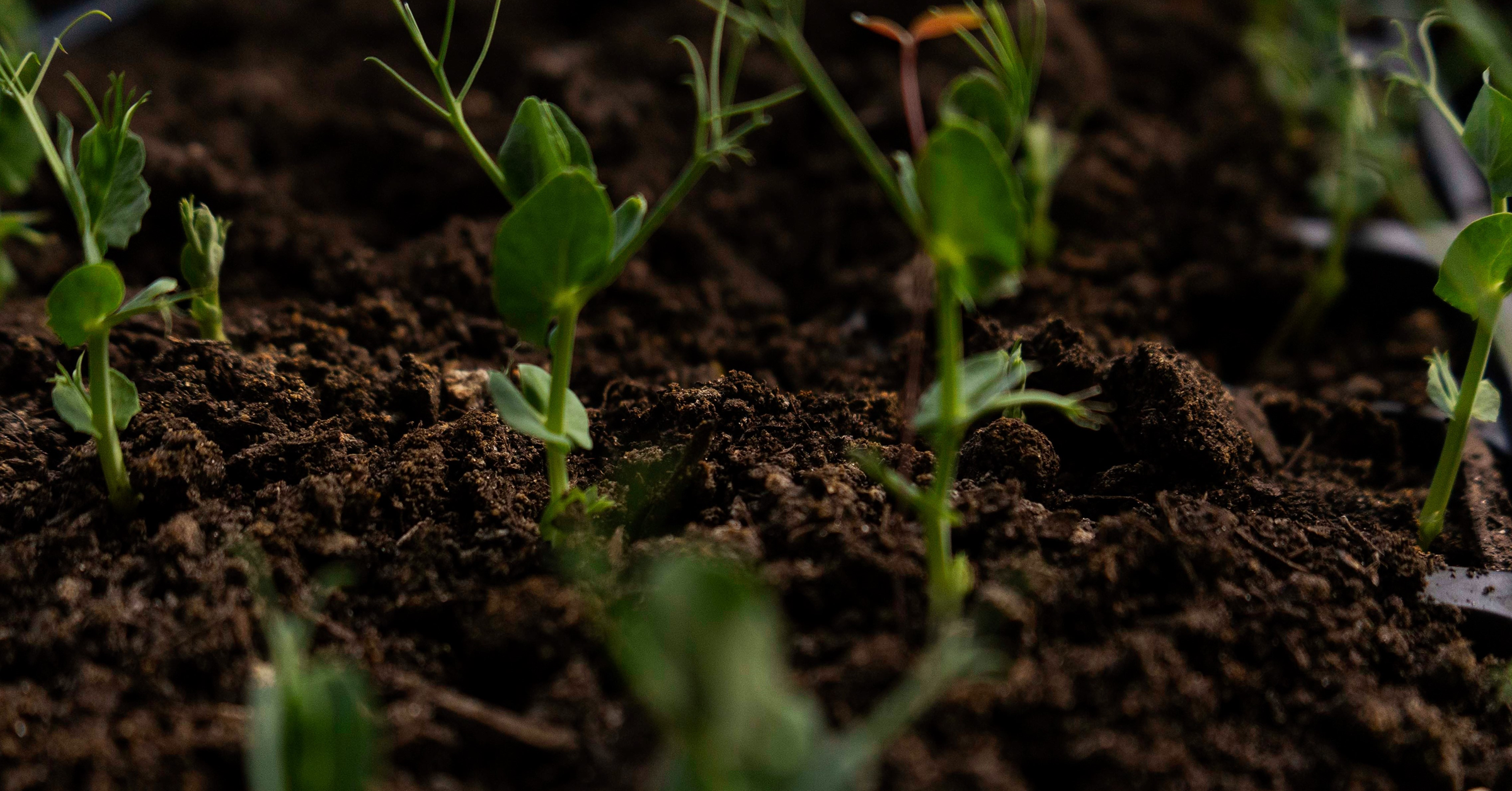
- What happens to the soil over time?
- Can this keep working as demand grows?
At PURIS, that thinking shows up in how we build our business. We operate a vertically integrated system, which means we work across the process from start to finish, from partnering directly with farmers to producing the final ingredient.
That level of control gives us more visibility into our environmental impact and more opportunities to improve over time.
It’s also why plant-based proteins play such a central role. Shifting toward crops that require fewer inputs and emit fewer greenhouse gases is one of the most direct ways to reduce impact at scale
Learn More About PURIS Sustainability
What does “regenerative” actually mean?
If sustainability is about maintaining systems, regenerative is about improving them.
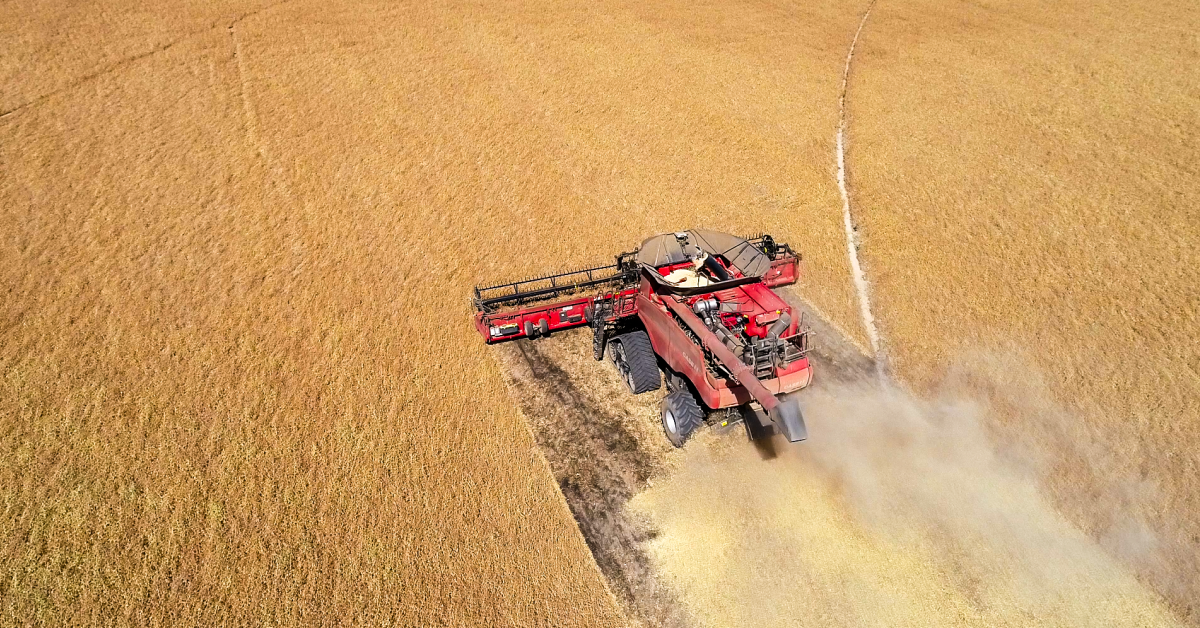
Regenerative agriculture focuses on restoring soil health, protecting water resources, and increasing biodiversity (see our approach).
The distinction matters:
- Sustainable = keep the system going responsibly
- Regenerative = help the system get better over time
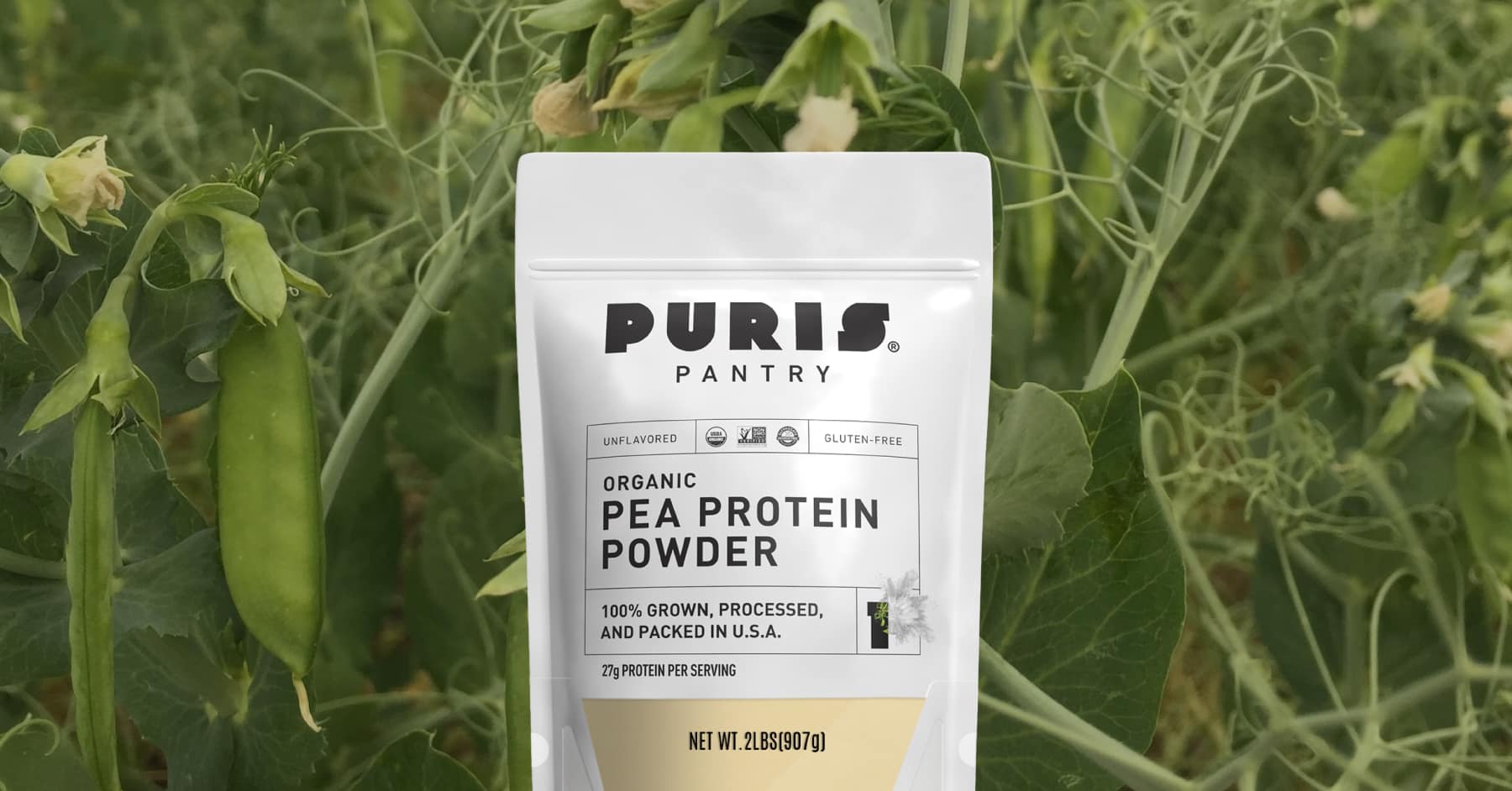
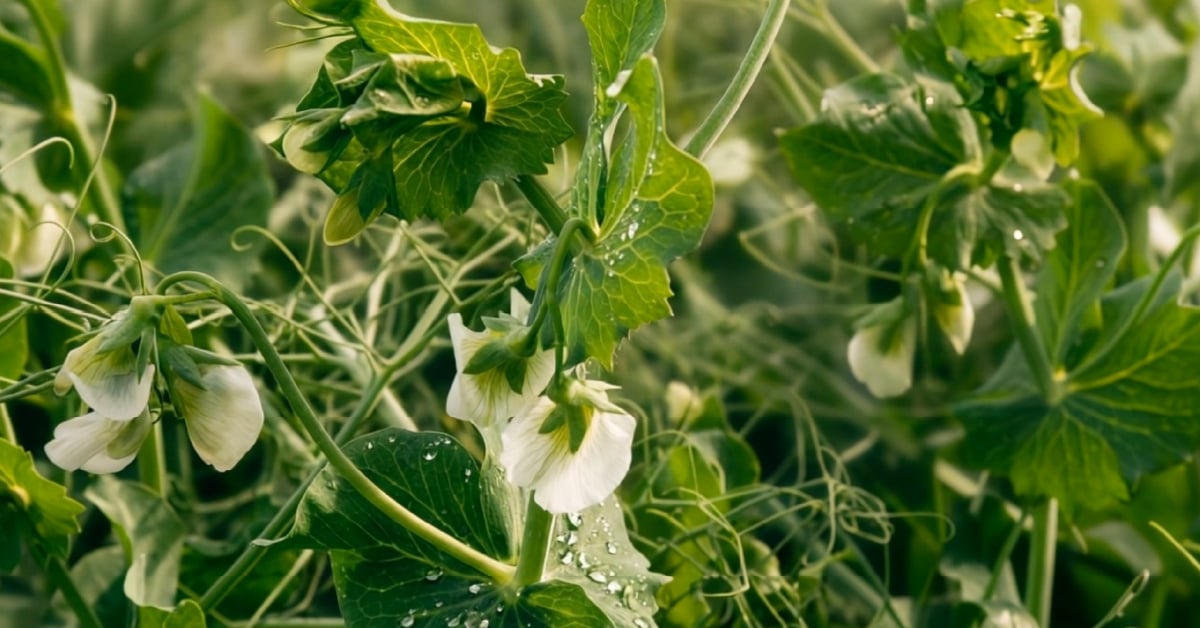
This is where PURIS’s crop focus becomes important. Peas aren’t just another ingredient; they improve the system they’re grown in.
As a legume, peas naturally fix nitrogen in the soil, which means:
- Less reliance on synthetic fertilizers
- Lower associated emissions
- Improved soil health for future crops
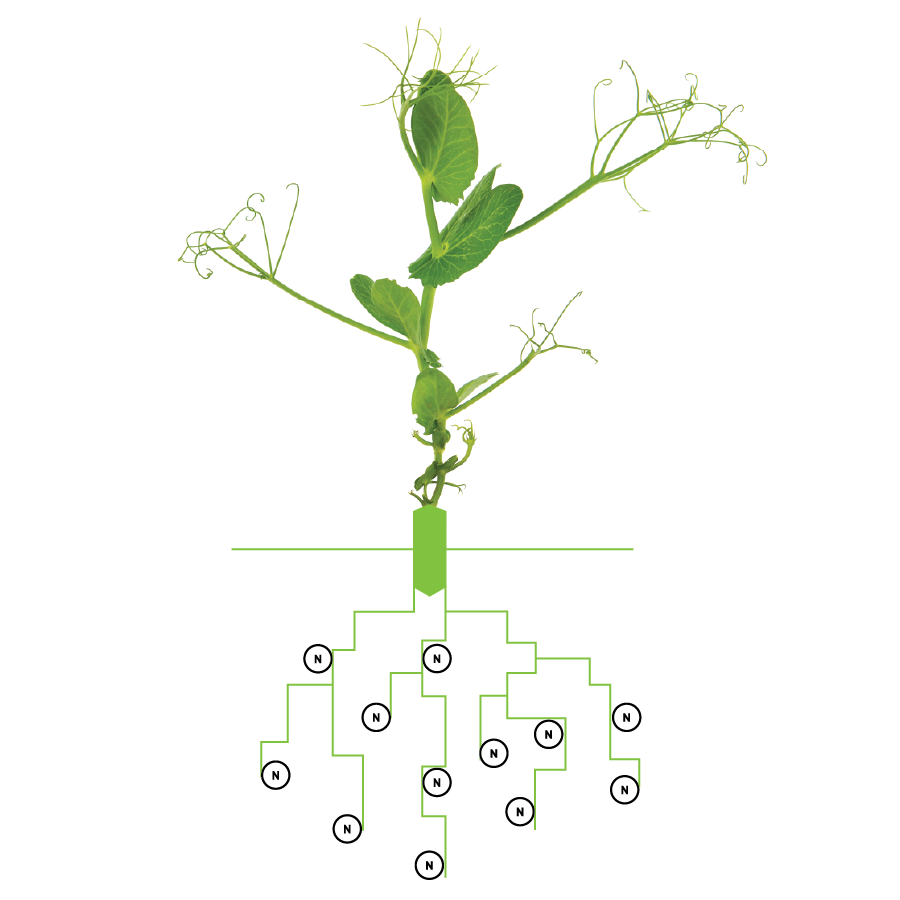
This ties directly into PURIS's partnership with growers. Farming practices and ingredient outcomes are closely connected, so improvements in the field can carry through the rest of the process.
When soil health improves, it can strengthen the rest of the system too.
Learn More about Regenerative Agriculture
Scope 1, 2, and 3: The Breakdown
If sustainability is the goal, emissions are how companies measure progress.
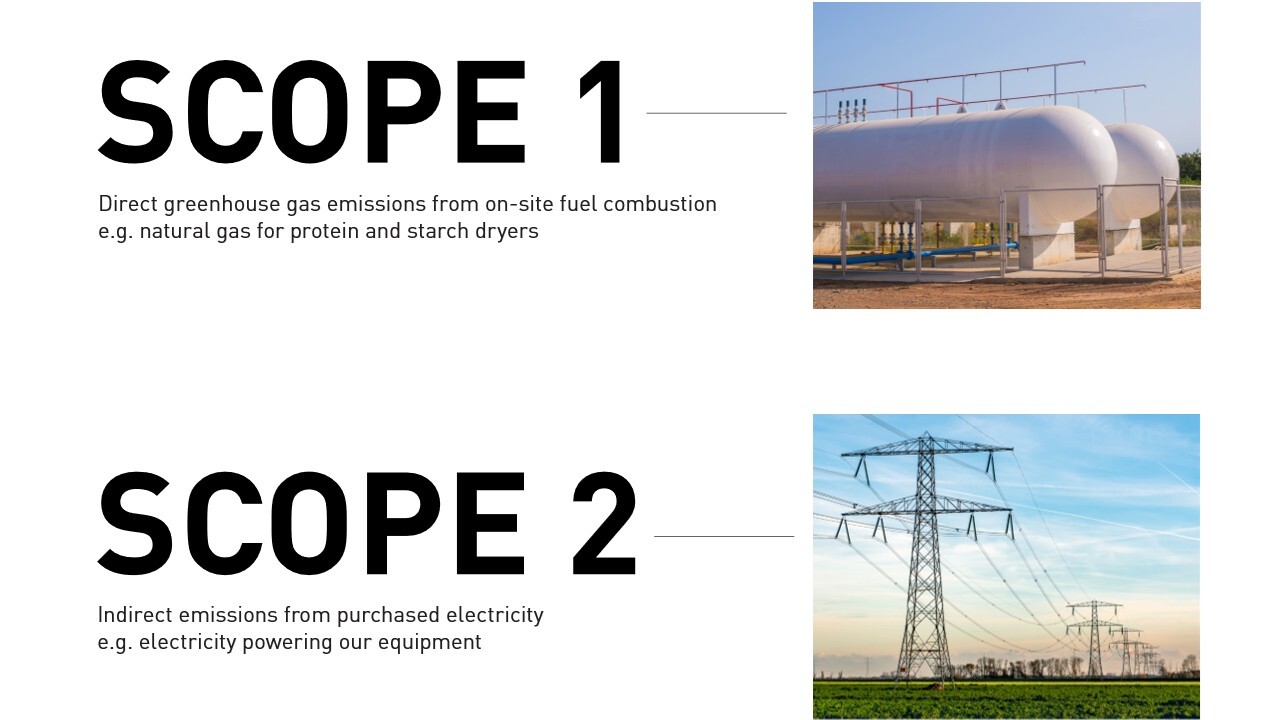
That’s where Scope 1, 2, and 3 come in. Scope 1, 2, and 3 emissions are part of a globally recognized framework from the Greenhouse Gas Protocol used to categorize an organization's greenhouse gas emissions
Let’s break each one down:
- Scope 1: Direct emissions
Emissions from things a company owns or controls.
Example: natural gas used in a processing facility or fuel for company-owned equipment. - Scope 2: Purchased energy emissions
Emissions from the electricity or energy a company buys.
Example: electricity powering a production plant or office. - Scope 3: Everything else
All indirect emissions tied to how a product is made, moved, and used.
Example: growing crops, transporting ingredients, and what happens when someone uses the product.
These categories help companies understand the full footprint, not just what happens inside their own operations.
Why Scope 3 matters (especially in food)
In most industries, Scope 3 is large.
In food, it’s everything.
According to the World Wildlife Fund, most emissions in food systems come from farms and supply chains, not factories.
In many food systems, the biggest sources of emissions aren’t just how efficiently food is processed. They’re often tied to the ingredients themselves and how they’re grown.
This is why companies are focusing more on:
- Farm-level practices
- Ingredient sourcing
- Supply chain data
- Life cycle assessments (LCAs)
PURIS is built for this. By working across more of the process, from seed development to ingredient production, it targets the biggest driver of food emissions head-on: how ingredients are grown, not just how they’re processed.
Why agriculture and ingredients matter
Agriculture is where the biggest impact can happen. It:
- Uses the majority of global freshwater
- Drives a significant share of emissions
- Sits at the beginning of every food supply chain
That means small improvements in ingredients can have a big impact.
This is where crop choice matters. Plant-based proteins like pea protein are typically far less resource-intensive than animal-based alternatives, requiring less land, water, and inputs while generating fewer emissions
But the bigger story is how those ingredients are produced.
At PURIS, the focus isn’t just on swapping ingredients. It’s on building a system where:
- Farmers benefit economically
- Soil improves over time
- Supply chains remain traceable
- Products can scale globally
That’s what turns sustainability from a concept into something operational.
Learn More About the Benefits of Peas
So…what does this mean?
Sustainability isn’t a single claim or label.
It’s a system of decisions:
- How food is grown
- What inputs are used
- How impact is measured
- And how everything improves over time
“Sustainable” doesn’t mean perfect.
“Regenerative” doesn’t mean finished.
And Scope 1, 2, and 3 aren’t just technical terms; they’re tools for understanding where impact lives.
Because the future of food isn’t just about producing more.
It’s about building systems that can produce better. For farmers. For the planet. For you.