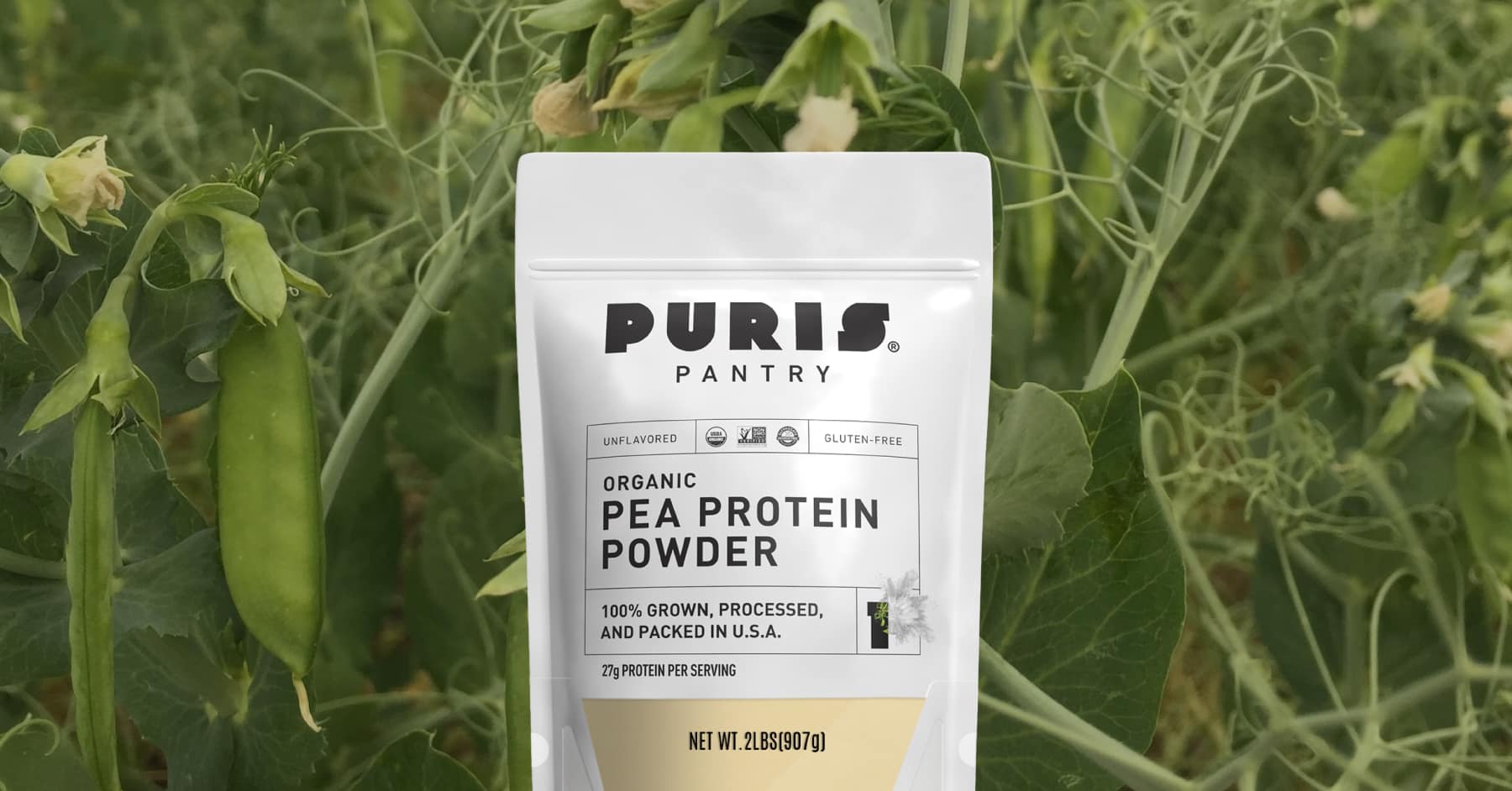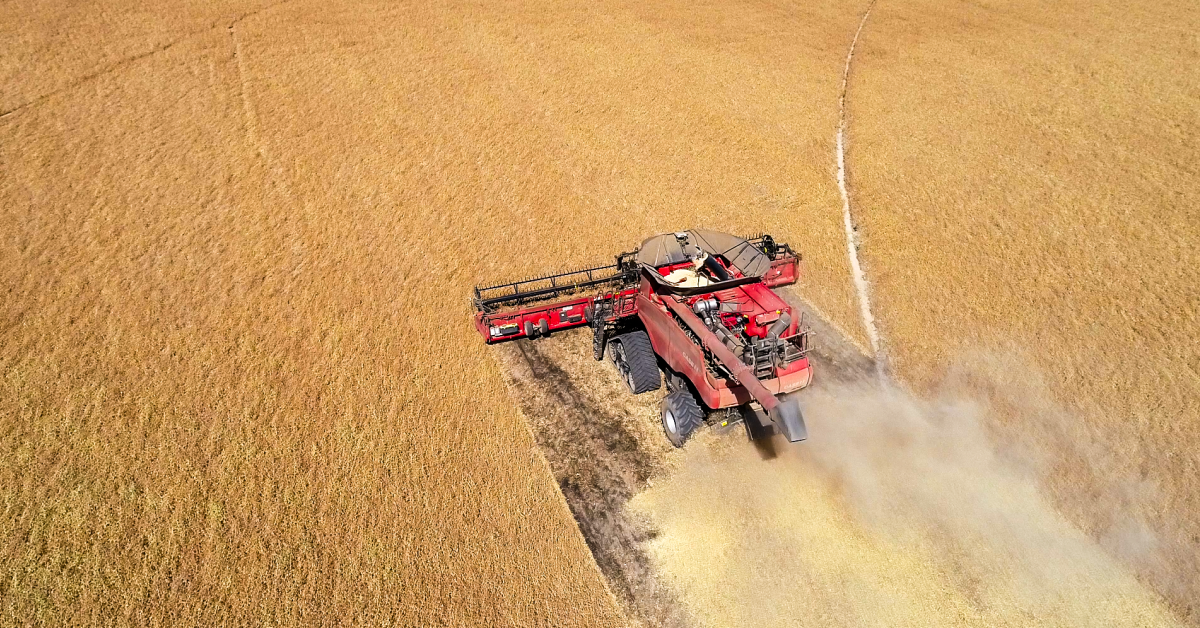
We recently partnered with Ritual to take a closer look at heavy metals in protein powder.
If you’ve seen more about heavy metals in protein powder lately, you’re not alone.
It’s something people are talking about more often, especially after recent testing and headlines. It makes sense why. No one wants to feel unsure about what they’re putting in their body.
But there’s a piece of the conversation that often gets overlooked.
Where ingredients come from.
That’s what our recent work with Ritual focused on.
Starting at the source
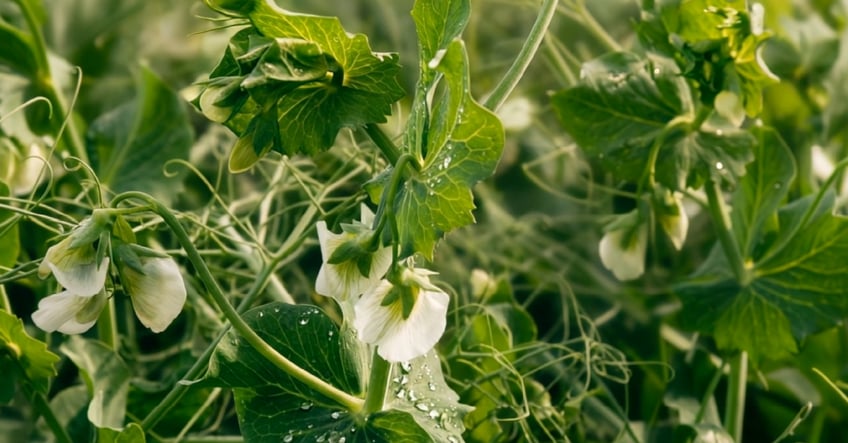
In this collaboration with Ritual, the goal wasn’t just to look at the final product. It was to step back and look at where everything begins.
We did that at our facility in Dawson, Minnesota, where our North American-grown peas are processed into protein and starch.
Heavy metals are not introduced at a later stage. They are naturally present in the environment, including soil, water, and air. As crops grow, they absorb what is around them. That is part of how agriculture works, as Ritual also outlines in their overview of heavy metals in protein powder.
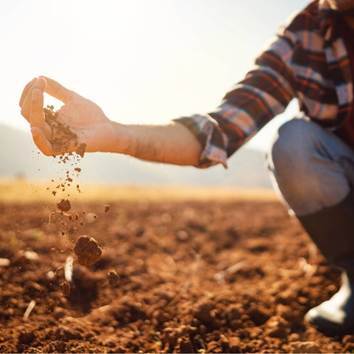
So instead of asking whether heavy metals exist, it comes down to what is being done through sourcing, testing, and processing to manage and reduce certain heavy metals along the way.
What we do about it
At PURIS, this is something we think about early, not just at the end.
As outlined in our Heavy Metal Safety approach, we build control of the process itself rather than relying on a single checkpoint.
That includes:
- working closely with growers in our sourcing network
- sourcing from specific growing regions
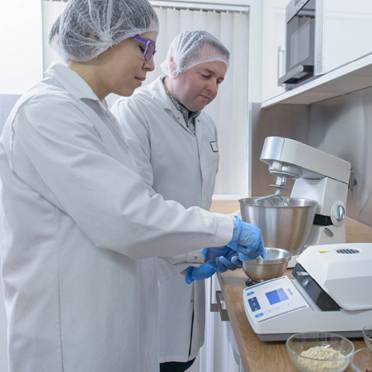
- testing raw materials and finished ingredients
- using processing designed to help reduce certain heavy metals, including lead and arsenic
None of this means heavy metals disappear completely. That is not how the system works.
What it does mean is a more proactive approach to understanding where heavy metals may come from and reducing them where possible. As our lead and protein supplement report response explains, managing heavy metals depends on what happens throughout the process, not just the final result.
What that looks like in practice
Not all protein is sourced or handled the same way.
In many cases, ingredients come from multiple regions, undergo several processing steps, and are primarily evaluated only after the final product is complete.
That can make it harder to understand where variability comes from.
Our approach focuses on staying closer to the source and maintaining visibility along the way
- peas grown in North America
- close relationships within our grower network
- more visibility into where and how crops are grown
That carries through to testing and processing decisions that help manage what ends up in the final ingredient.
Why this matters
Heavy metal levels are influenced by more than one thing.
They depend on where something is grown, how it is handled, and what happens during processing. That is why similar ingredients can still lead to different results.
As we explain in our plant-based ingredients and heavy metals blog, looking only at protein type often misses what is driving those differences.
How this connects to Ritual
Ritual’s campaign brings another important piece into the conversation. Transparency.
Their focus is on helping people understand what is behind the product. Where ingredients come from, how they are chosen, and what testing shows at the finished product level.
In their approach to heavy metals, they explain that trace amounts are part of the broader food system and that what matters most is how brands test for and manage them. They also make finished product information available to consumers through their Certificate of Traceability.
At PURIS, the focus is earlier in the process. How an ingredient is sourced, handled, and processed before it becomes part of a finished product.
Ritual builds on that by testing the final product and making that information visible.
Together, it helps provide a more complete picture.
The bigger takeaway
Heavy metals in protein powder are not new.
What is changing is how people think about them, and how proactive mitigation through tighter control and strong sourcing partnerships is becoming part of the conversation.
It is not just about the final result anymore.
It is about what happens before it.
Where ingredients start.
How they are handled.
What is being done along the way to help reduce certain heavy metals and manage variability.
Because what you end up with is shaped long before the final product is tested.