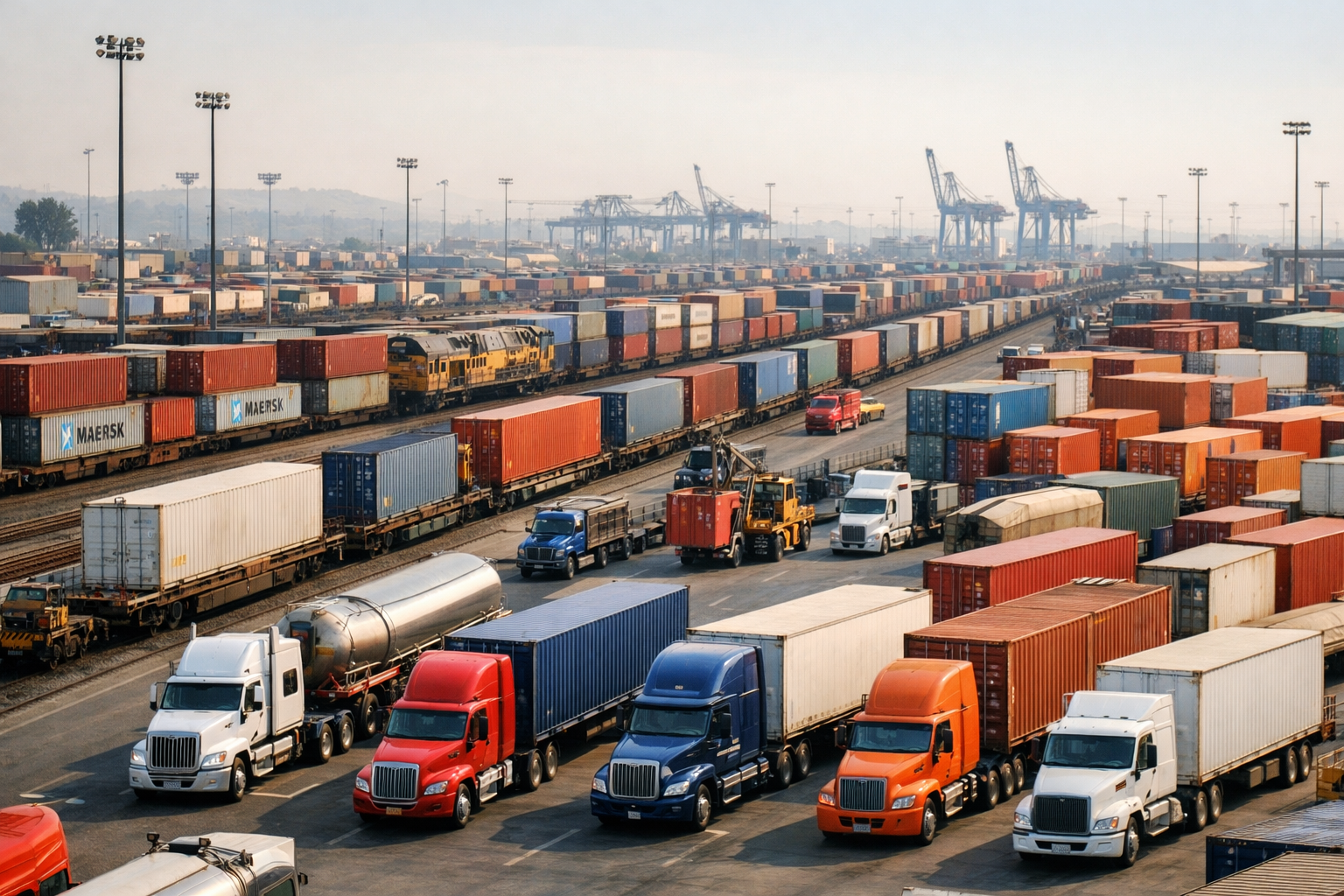
Over the past decade, pea protein has become a truly global ingredient, supporting food innovation, plant‑forward diets, and agricultural diversification across regions. As the category matures, however, it is increasingly intersecting with broader questions of global trade, market balance, and industrial policy.
This week, the European Commission published its pre-disclosure findings in the anti‑dumping (AD) investigation on pea protein imports from China, signaling a meaningful development for the global pea protein market. The Commission has indicated its intent to apply provisional duties in the coming weeks, with most sampled and cooperating Chinese producers receiving duties of approximately 40.5%; one producer was assigned a provisional rate as high as of 112.7%.
While these are preliminary findings, they underscore a broader reality: pea protein is no longer a niche input operating outside the lens of trade enforcement. It is now a strategically relevant agricultural and food ingredient, subject to the same scrutiny as other globally traded commodities.
Why this matters beyond Europe
Although this investigation is EU‑specific, its implications extend well beyond European borders. Global pea protein supply chains are deeply interconnected, spanning North America, Europe, and Asia, and changes in trade flows in one region often ripple across others.
The Commission’s findings highlight ongoing concerns around market distortions and pricing dynamics, particularly in high‑protein (>65%) pea protein products, which were explicitly defined within the scope of the investigation. As provisional measures take shape, global buyers and suppliers alike will need to reassess sourcing strategies, risk exposure, and long‑term supply resilience.
A moment for industry reflection
For the pea protein industry as a whole, this moment invites reflection, not just on trade mechanics, but on how the sector continues to scale responsibly.
A healthy global market depends on:
- Transparent pricing signals
- Fair competition across regions
- Investment in local and regional supply chains
- Predictable regulatory frameworks
Trade actions, while often disruptive in the short term, can also serve as inflection points helping to prompt the industry to rebalance, diversify supply, and strengthen alignment between agricultural production and downstream demand.
Looking ahead
The Commission is expected to publish its full provisional disclosure in the coming weeks, at which point additional details will be available regarding methodology and findings. Until then, stakeholders across the pea protein ecosystem (farmers, processors, food manufacturers, and policymakers) should view this development as part of a broader evolution of the category.
Pea protein has moved firmly into the global mainstream. With that growth comes increased responsibility to build a market that is competitive, resilient, and durable over the long term.