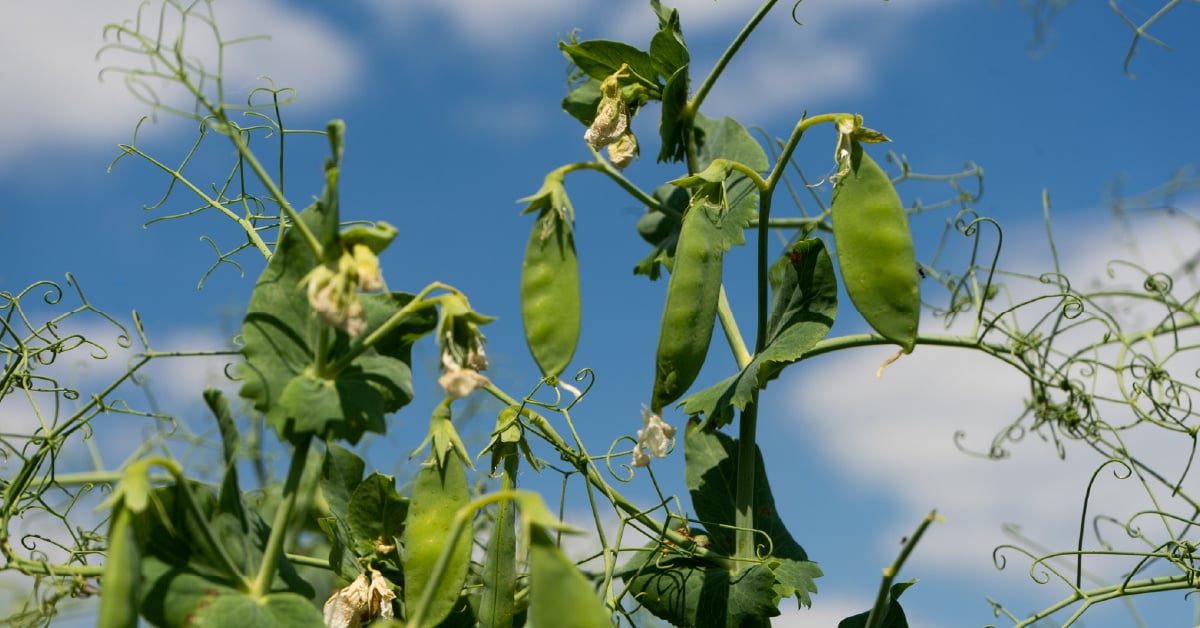
The question is how intentionally they are managed.
This Is a System Problem, Not a Single Ingredient Problem
Too often, the narrative points to plant protein as the culprit. That oversimplifies the issue and misses the bigger risk.
Heavy metal levels in finished products are driven by the entire formulation:
- Cocoa powders and chocolate flavors are well-documented to carry higher levels of cadmium and lead
- Mineral blends and micronutrients can meaningfully contribute to total levels
- Flavor systems and other functional ingredients introduce variability
What Good Looks Like
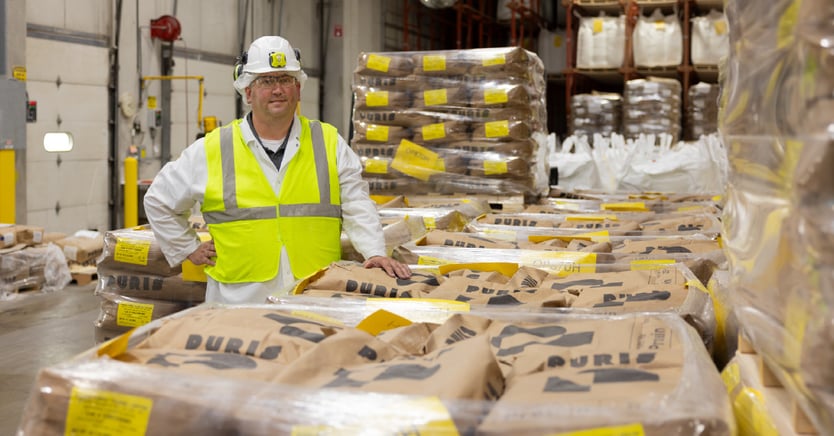
Managing heavy metals well requires control across the full value chain:
- Sourcing with intention — choosing growing regions with lower baseline contamination
- Testing early and often — starting at the raw ingredient, not just the finished product
- Formulating holistically — accounting for every input, not just the protein
This is not a compliance exercise at the end. It’s a design choice from the beginning.
It also requires transparent supply chains.
PURIS's direct relationships with growers enable it to understand soil conditions, manage field-level testing, and ensure consistency before ingredients ever enter production. That level of visibility and control cannot be achieved through anonymous commodity sourcing.
This is why deeper partnership across the supply chain matters, from the farm to the ingredient to the finished product. Heavy metal management is not owned by a single player. It’s a shared responsibility that requires alignment at every step.
The Industry Moment

The current scrutiny is a signal that expectations are changing.
Consumers are no longer satisfied with “within spec.”
They want to understand what’s in their food and why.
That requires a higher bar:
- More transparency
- More data
- More intentional sourcing and formulation decisions
- More accountability across the entire system, not just a headline ingredient
The brands that lead here won’t be the ones reacting to scrutiny.
They’ll be the ones who built systems designed to meet it.